
History and Culture
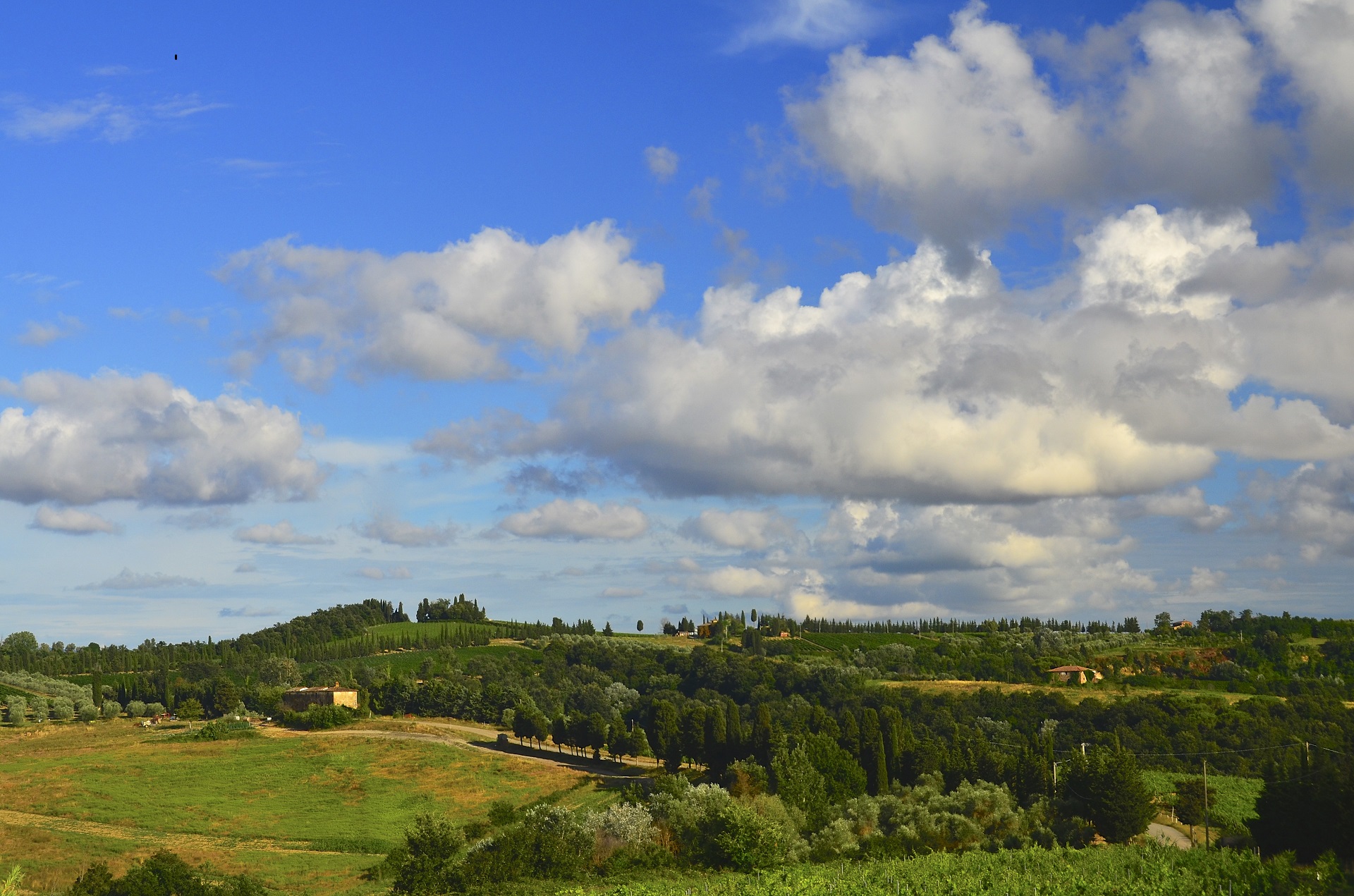
A territory that has always been in the center of the Valdera area
History and Culture
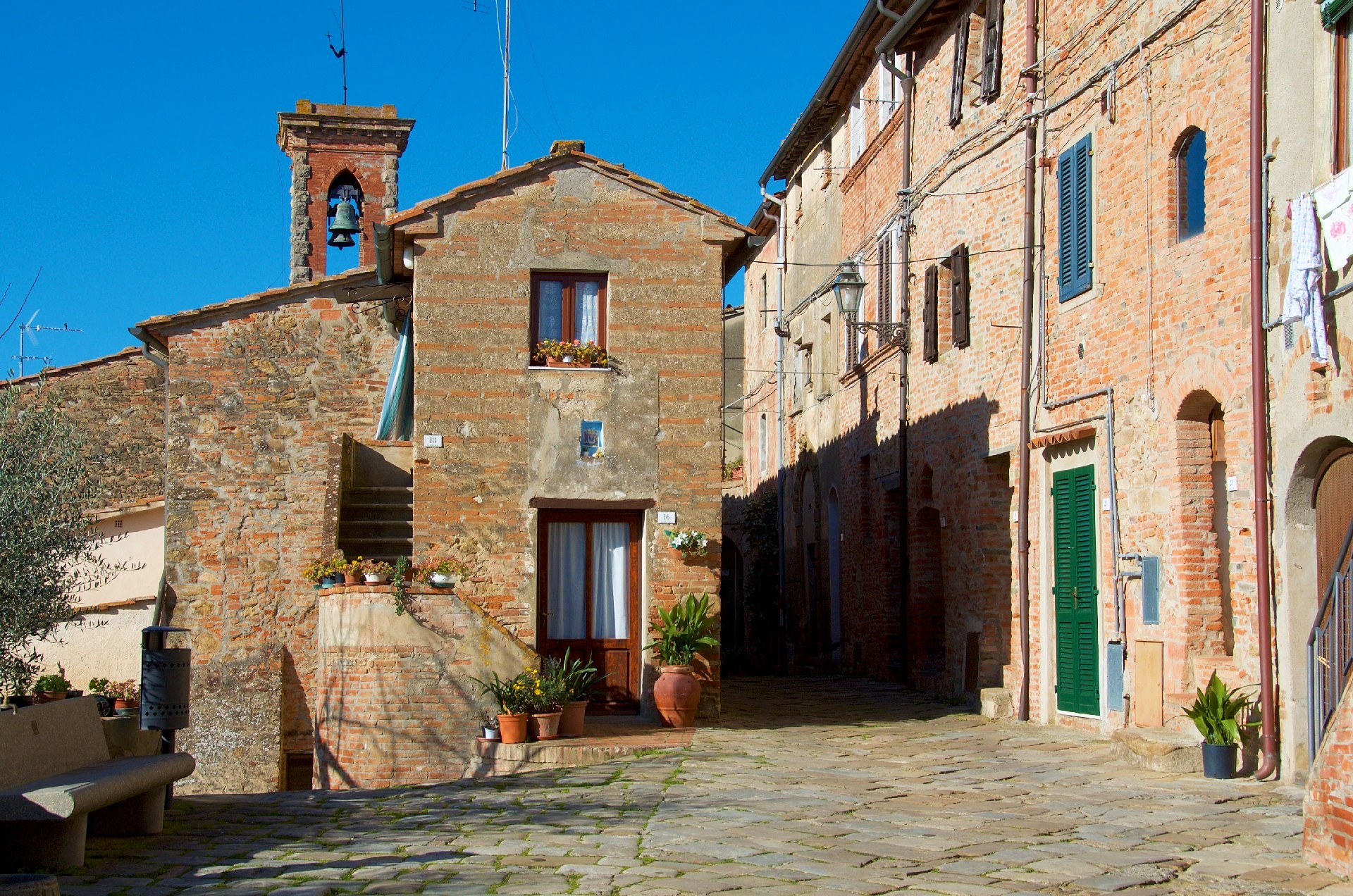
A territory that has always been in the center of the Valdera area
History and Culture
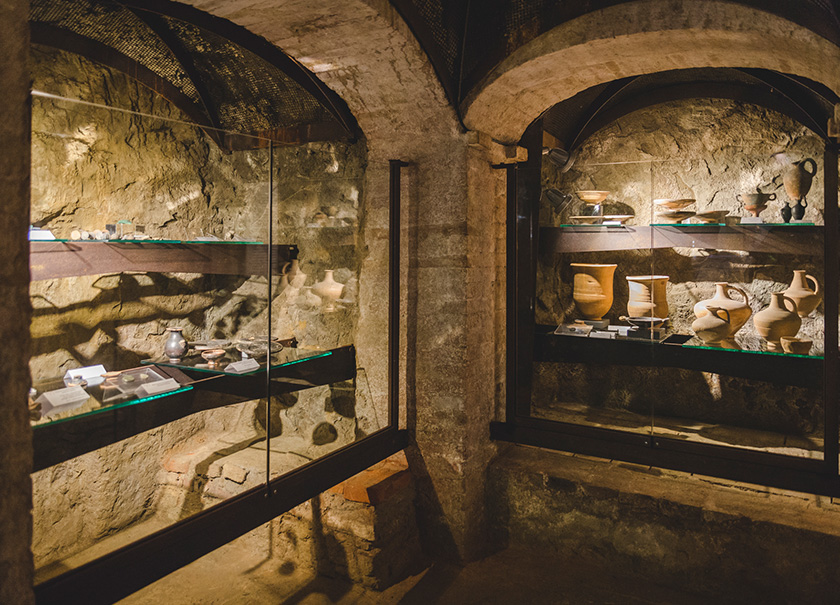
A territory that has always been in the center of the Valdera area
From the Neolithic Age to the Romans and the Longobards, up to the Middle Ages under Lorenzo the Magnificent and Leopoldo II.
A strategic position in the Valdera area.
Even if the territory of Peccioli has been inhabited since the Neolithic Age, a more defined physiognomy is recorded above all from the first millennium BC, with manifestations of Etruscan populations. Several finds testify that the slopes of the hills in the territory were places for burial, except for the site of Ortaglia, which showed traces of a settlement too, demonstrating how Peccioli depended from Volterra even in the Late Antiquity Age.
Other Roman traces are located at the excavation site of Colle Mustarola near Ghizzano, where a Roman cistern was found, a unique example in the rural contexts of the area (the other known ones are located only in important urban settlements, such as Volterra and Pisa).
With the fall of the Roman Empire, new scenarios unfolded, influenced by wars and by the arrival of peoples from northern Europe, who slowly conquered the most important locations. The Longobards conquered most of the territories controlled by the Byzantines. It was a period of great vitality for the area of Peccioli, which was located on the border between these two opposing forces; yet, the area was also probably the ground of the resulting clashes. Such vitality seems to end in the 8th century and then reappear in the 11th and 12th centuries, when a castle promoted by the local aristocratic families and the church was developed.
Under the Pisan domination, Peccioli became a Podesteria of the Maritime Republic, extending its jurisdiction over Carpugnano, Gello, the Abbey of Carigi and Montecchio. In 1322 the Pisans had a section of the castle walls restored and the castle acquired the extension and features that it still retains in part today, probably thanks to the work by Castruccio Castracani, who in 1328 was appointed lord of Pisa.
Under the Signoria of Lorenzo the Magnificent, a new administrative organization was issued and the Communities were gathered in Podesterias: the communities of Ghizzano, Fabbrica, Lajatico, Terricciola, Rivalto and Chianni were subjected to Peccioli. A long period of political tranquility followed, afflicted however by various calamities including an epidemic of plague between 1464 and 1468. In 1844 under the rule of Leopold II, Peccioli became the premises of a registry with jurisdiction over Lajatico and Terricciola. After the plebiscite for the annexation to the Kingdom of Savoy in 1860, a new order in the public administration was issued and in 1863 Peccioli became part of the district of Lari.
Since the unification of Italy, Peccioli became a municipality including Fabbrica, Ghizzano, Legoli, Montecchio, Montelopio, Libbiano and Cedri.
Highlight
-
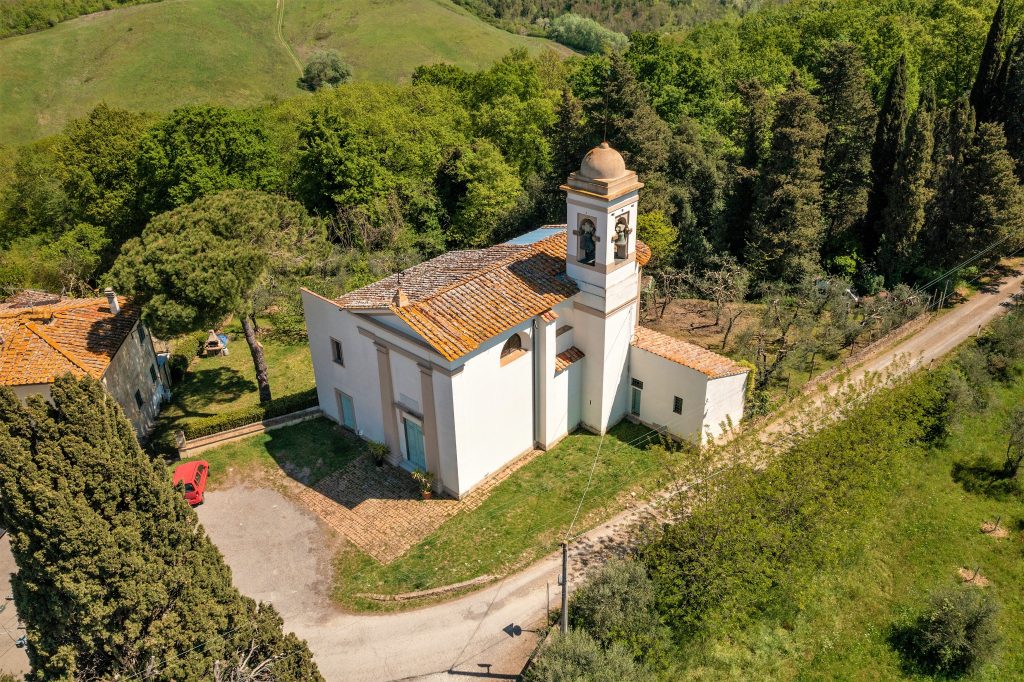
Church San Giorgio
The village of Cedri is located in the Valdera region, on a marly hillock bordered by the streams Isola and…
-
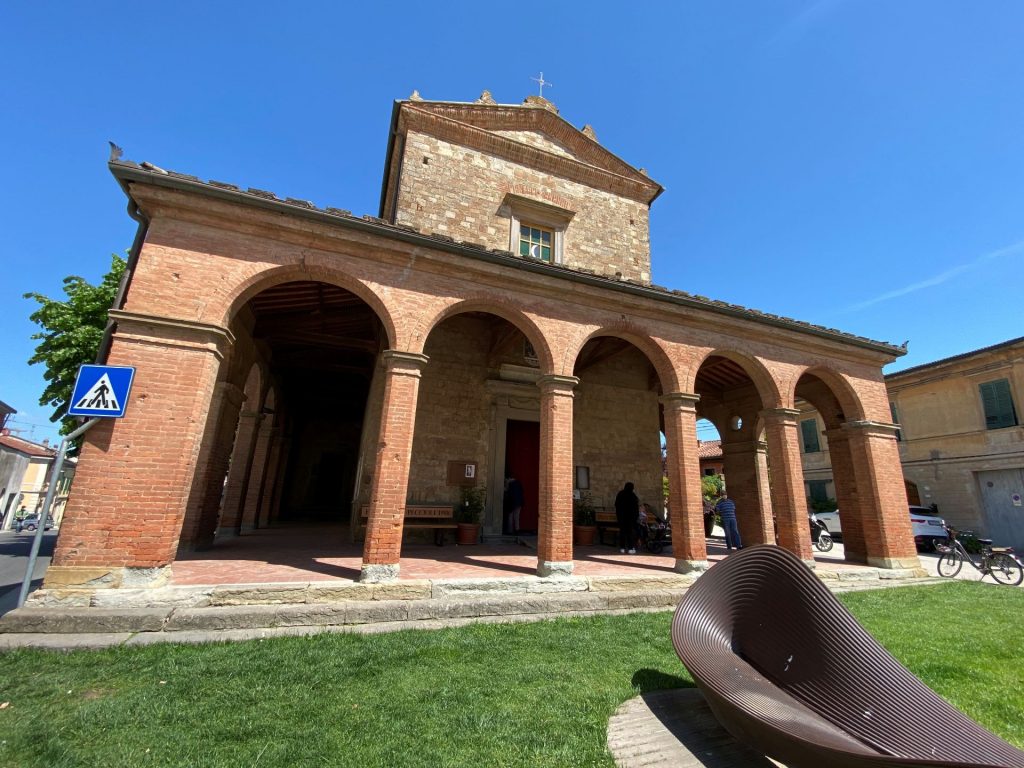
Church of Madonna del Carmine
Church of Madonna del Carmine The church was built in 1642 in bricks; it is surrounded on three sides by…
-
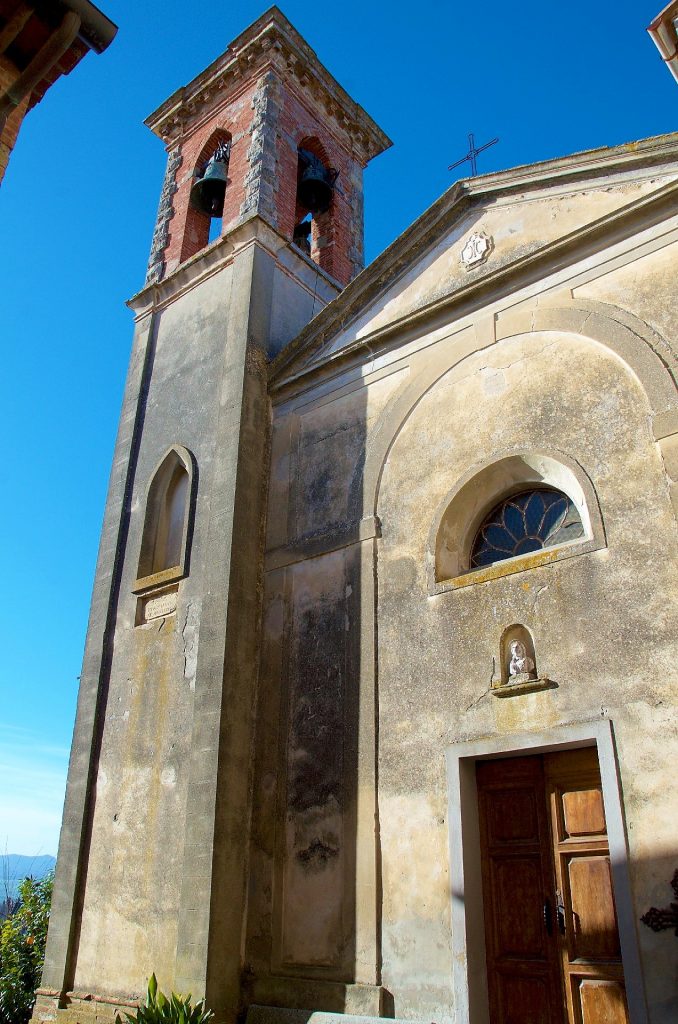
Church Santa Lucia San Pancrazio
The church in the hamlet of Montecchio, dedicated to St Lucia and St Pancrazio, locks the small village to the…
-
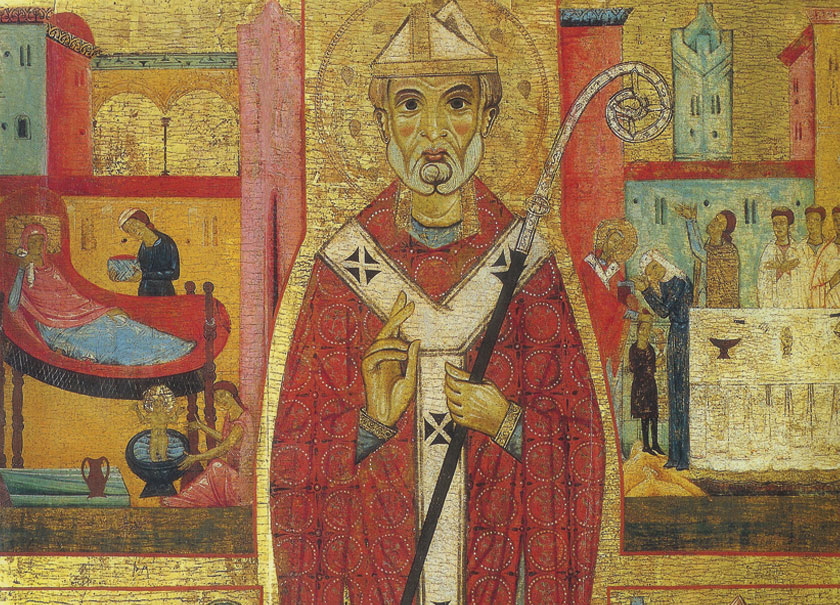
Museum of Sacred Art
The Museum of Sacred Art in Peccioli was inaugurated on October 25 2009 due to the communal will of the…
-
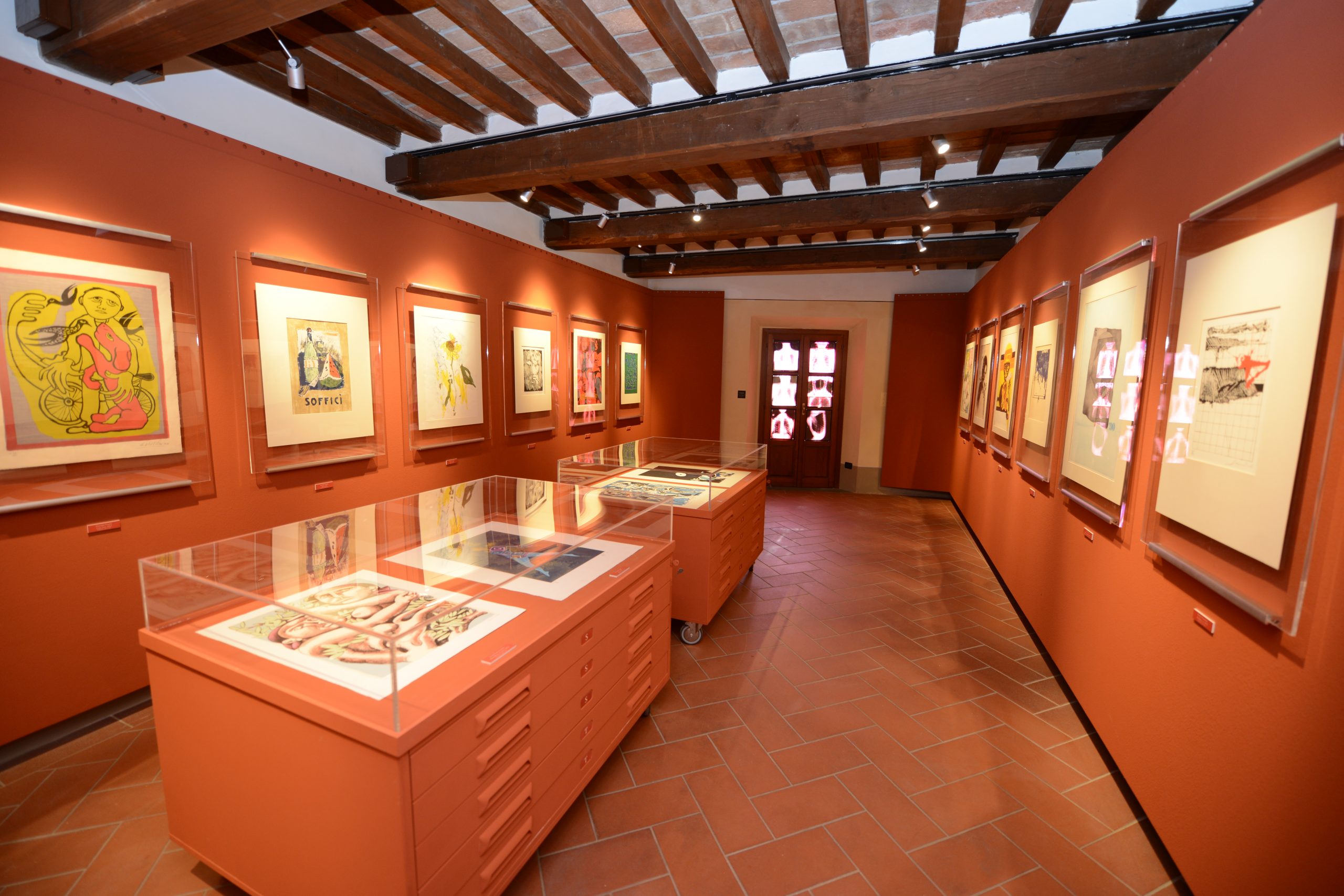
Museum of Palazzo Pretorio
The Palace Built in the Middle Ages, Palazzo Pretorio was the residence of the consuls of the Pisan municipality and…
-
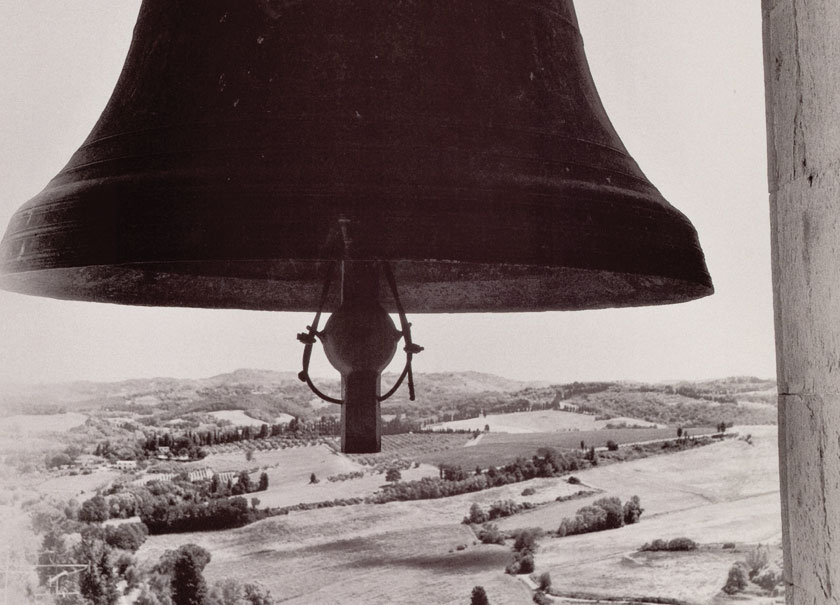
Bell Tower
L The Bell Tower in Peccioli was built in 1885 by the engineer and architect Luigi Bellincioni (1842 – 1929)…
-
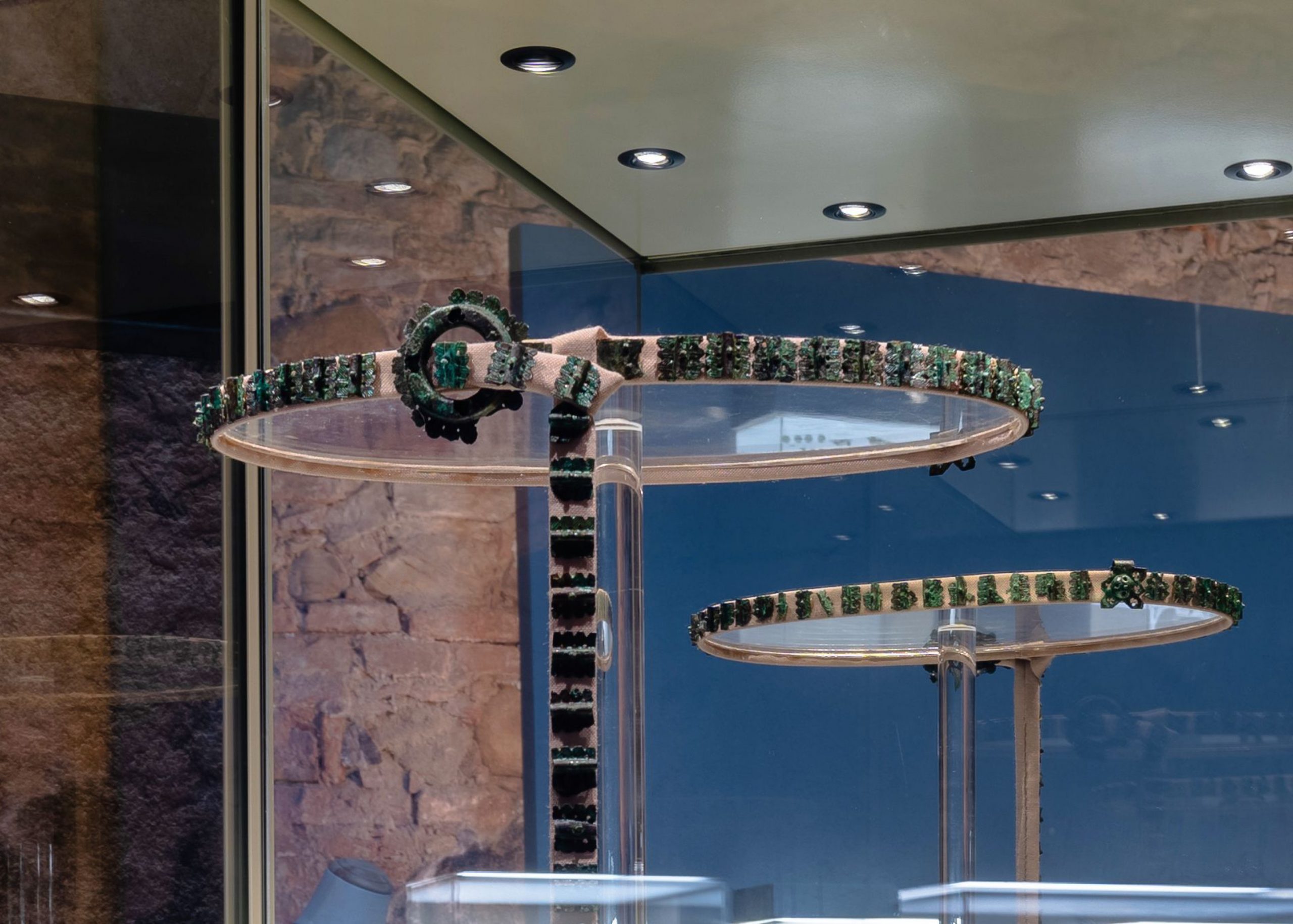
The Archaeological Museum
The Archaeological Museum was inaugurated in 2004 with the aim of properly preserving numerous finds discovered in the Etruscan archaeological…
-
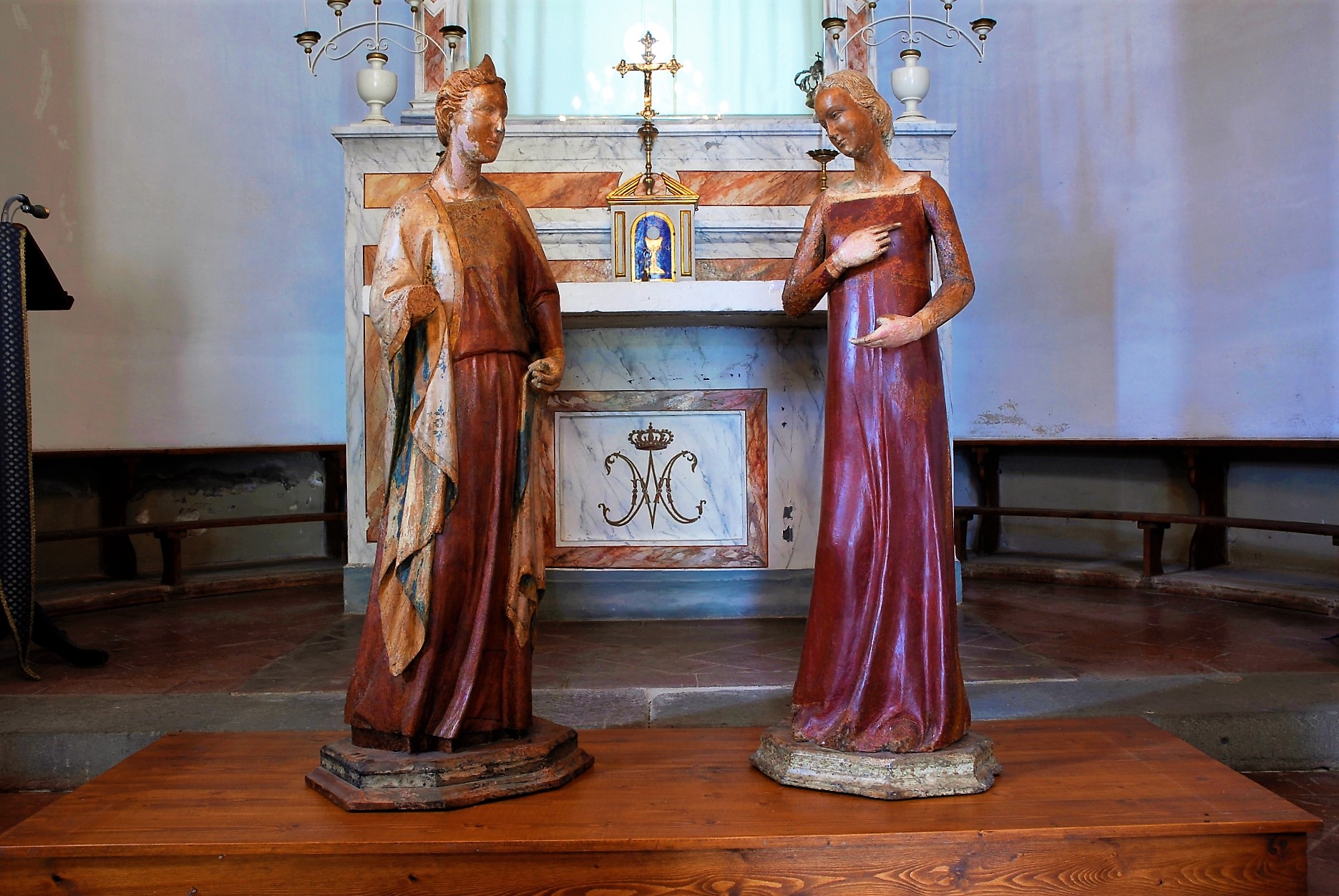
“Annunciazione”, sculptural group by Tommaso Pisano – Ghizzano
Legend has it that these wooden statues depicting the Annunciation were recovered in an old church in Ghizzano and placed…
-
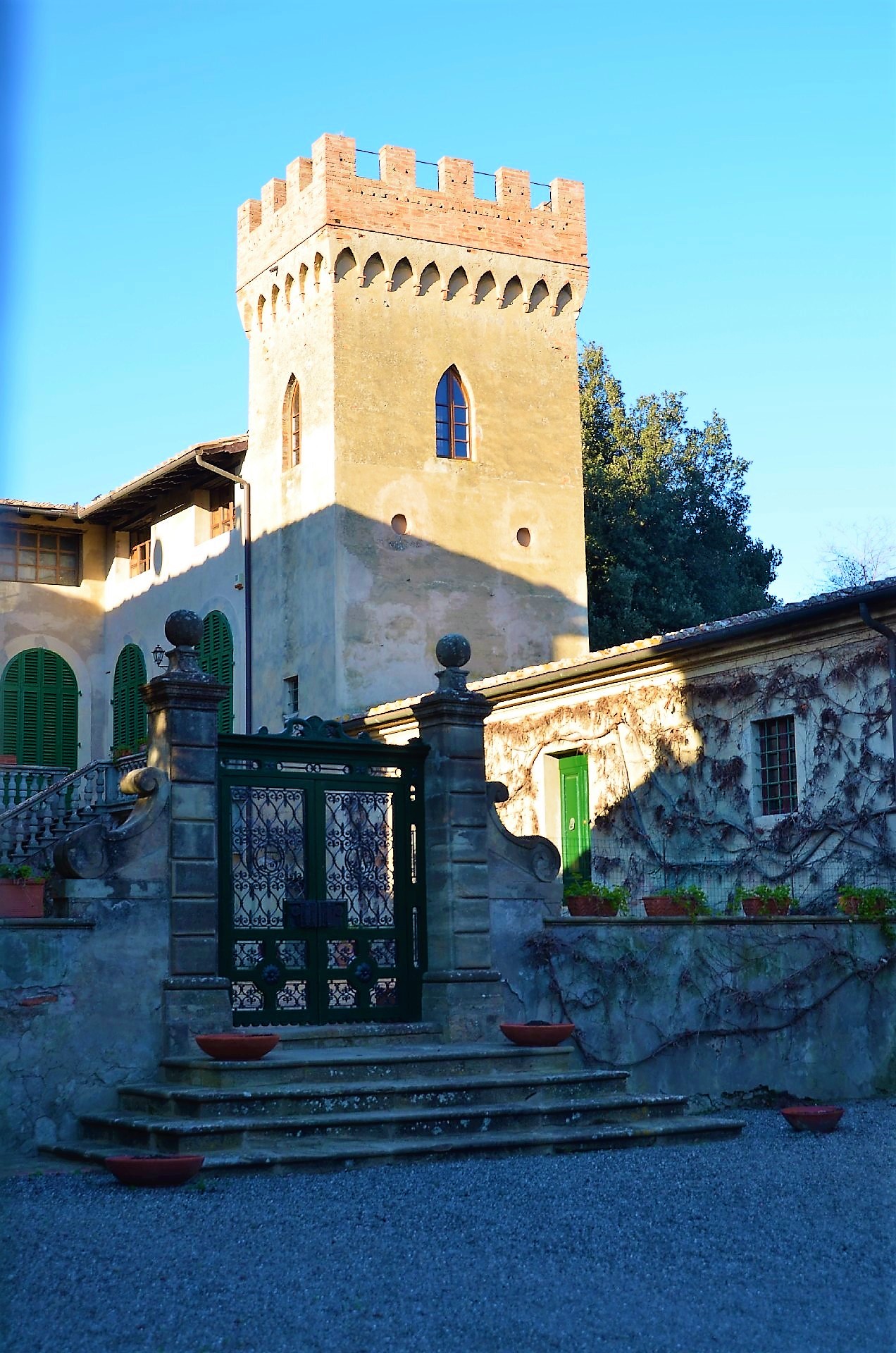
Villa Mazzetti
The villa was built in the 19th century on a previous building dating back to the first half of the…